Call us at +65 6737 2778

or Send us an enquiry below:
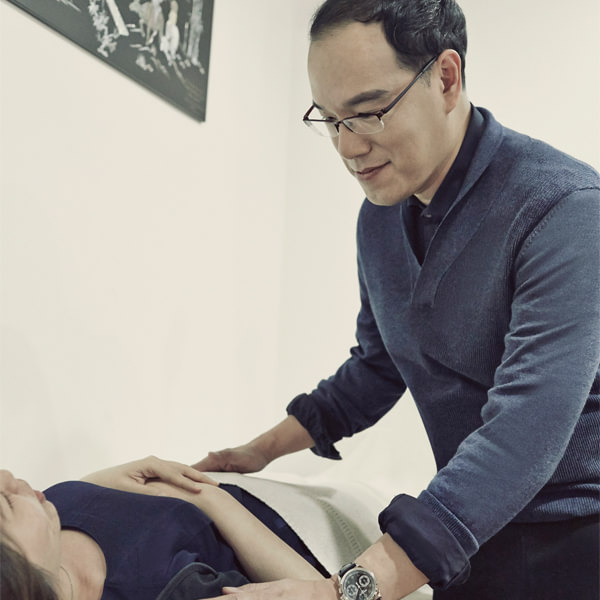
Why Choose Ho Kok Sun Colorectal Pte Ltd

  • Advanced Surgical Options & Techniques for Colorectal Cancer
  • Experienced Colorectal Surgeon
  • More Than 15 Years’ Experience
  • Most Insurances Accepted
  • Personalised & Professional Care

Services Provided

Surgery is the only treatment that can offer a definite cure for colon and rectum cancer. Other treatment modalities such as chemotherapy and radiation therapy may be used as additional treatment in reducing the risk of recurrence but do not consistently offer a cure.

  • Open Surgery
    For many years, there has been only one way to approach and remove the colon. This is the standard open surgery where a long incision is made through the centre of the abdomen. This incision can vary from 10 to 30cm long. This was the preferred way because this gives the best access to all the areas of the colon. However, the incision for open surgery cuts through the entire muscle in the centre. This can give rise to more pain and would need stronger and more pain killers. Recovery after discharge is also slower.
  • Minimally Invasive Surgery
    Laparoscopic surgery - This method has been used for colon resection since 1990s. There were some initial concerns about higher risk of recurrence of cancer so it did not take off in initially. However, numerous large international trials proved that there is no evidence of increased recurrence. It is now the preferred method of surgery for colon and rectum resection.
  • Single incision port surgery
    This is one of the latest advancement in laparoscopic surgery in the last few years. A single incision of 2-5 cm is made at the umbilicus. Two instruments and a camera is inserted through this single “port” and the surgery is performed using the instruments. The colon and tumour are eventually removed through the incision.
  • Robotic Surgery
    This is the most advanced form of minimally invasive surgery available. It is similar to laparoscopic surgery in the sense that small incisions of 5-10mm is made to insert instruments. However, the robotic camera system offers a 3-dimensional view and greater magnification to the surgeon. This gives the surgeon a clearer view as well as perception of depth which is missing in other forms of laparoscopic surgery.

About Dr Ho Kok Sun

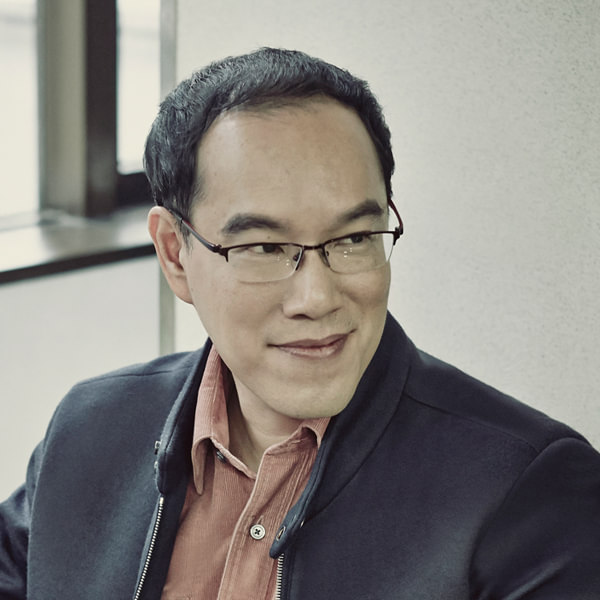
Dr Ho Kok Sun is a respected colorectal surgeon with extensive experience in the diagnosis and treatment of colorectal cancer.

Dr Ho finished his Bachelor and Master of Medicine in Surgery from National University of Singapore. He became a fellow of the Royal College of Surgeons of Edinburgh in the same year. After completing his training in general surgery, he went to Cleveland Clinic Florida in 2002 for his fellowship and has been subspecializing in colorectal surgery since he completed his training.

Dr Ho is currently assistant master of the Academy of Medicine Singapore, the professional institute for specialists in Singapore. He previously served as President of College of Surgeons Singapore, President of the ASEAN Society of Colorectal Surgeons and President of the Society of Colorectal Surgeons (Singapore).  He was also vice president of the Singapore-China Association for the Advancement of Science and Technology. He is a founding member of the Eurasian Colorectal Technologies Association. He has served as Organizing Chairman of 2 major international colorectal conferences.

What To Expect On Your Your Initial Visit for Colorectal Cancer

We understand that you may be concerned with symptoms you are experiencing such as pain, bleeding, itching or difficulty in passing stool. It will therefore be useful if you may prepare a list of questions and share candidly with your surgeon during the appointment.

Meeting with the Colorectal Surgeon

Physical examination usually do not yield much signs unless the cancer is in an advanced stage. A hard mass in the abdomen is usually a sign of a large tumour. An enlarged liver signifies spread of the cancer to the liver. In some rectal cancers, a digital rectal examination where your doctor inserts a finger up the anus may pick up earlier cancers. As such, if your doctor thinks that you warrant a rectal examination, please do not decline or refuse for fear of discomfort or embarassment.

FAQ

  • The stools might seem to be narrower in size.
  • Patients might also feel constipated as it is more difficult for the stools to squeeze through a narrower passageway.
  • Patients might also notice blood coating the stools. As a general guide, the blood seen is usually dark red in colour.
  • For tumours in the rectum, the patient may have the sensation of incomplete passage of stools. This is because the presence of the tumour there imitates the presence of stools.
  • Other less specific symptoms include feeling of bloating and mucus in the stools. Pain is usually not a feature of colon and rectum cancer until it is at an advanced stage.
  • Genetics - Less than 5% of the cancers are considered genetic cancers. These are conditions due to abnormalities in the genetic constitution of the patient.
  • Age - In Singapore, the lifetime risk of colorectal cancer is about 2%. Most colon and rectal cancer occurs in patients over the age of 50 years, though this does not mean that people below that age will never get colorectal cancer.
  • Family History - The risks increases when one has close family members with colorectal cancer.
  • Personal History of Colonic Polyps and Colon Cancer - If you have a history of polyps (adenoma type) or colorectal cancer, there is an increased risk of getting a cancer / 2nd cancer.
  • Personal History of Inflammatory Bowel Disease - Inflammatory bowel disease is a type of chronic inflammation of the intestines. This is more common in the Caucasian population than in Asia. The risk of colorectal cancer is increased with people with this condition and they require long term specialist care for treatment, surveillance and cancer prevention.
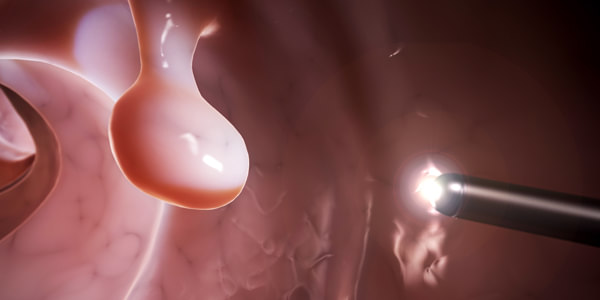
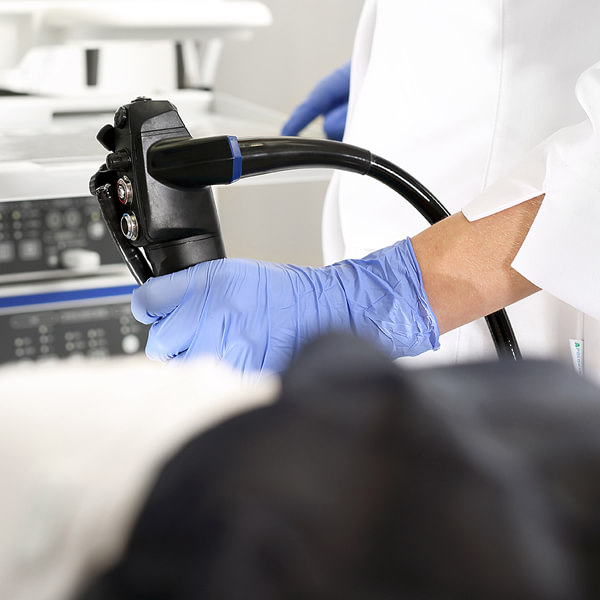
  • Colonoscopy - Colonoscopy is the gold standard for examination of the colon. This entails inserting a flexible tube through the anus and advancing it up along the rectum and colon until it reaches the beginning.
  • Barium Enema - Barium enema is another way to examine the colon. This is performed by a radiologist who first inserts a tube through the anus. A bag of white liquid (barium) is then poured into the colon through the tube. The patient is rotated so that the barium can flow around the colon. The bag is then dropped to the floor and the barium allowed to flow out. Air is then pumped in through the tube to distend the colon and x-ray images are taken with the patient in different positions.
  • CT Colonography (also known as Virtual Colonoscopy) - The latest available technique to examine the colon is CT colonography or virtual colonoscopy. The patient also has to have bowel preparation. At the time of the investigation, the radiologist will insert a tube into the rectum via the anus. One to 1.5 litres of air will be pumped in to inflate and distend the colon. The patient will lie down on his back in the CT scanner, an intravenous injection given and the scan will be done. The patient will then lie prone on his tummy and the process repeated. The virtual image of the colon is then produced using computer software.

Follow up after colorectal cancer surgery consists of regular follow ups for physical checks and colonoscopy and imaging studies at regular intervals.

At each follow up, your doctor will do a physical examination and also take your blood for a CEA test. A rising trend in CEA may imply a recurrence.

Follow up CT scans and colonoscopies are also recommended based on your stage of disease.

Our first consultation starts from $150. Should a procedure be required, financial counselling will be offered by our staff including your insurance coverage.

We want to see you on time so we strongly advise that you make an appointment with our staff. A time will be allocated with our colorectal surgeon to meet you. Please call or email us for an appointment.

Call us at +65 6737 2778

or Send us an enquiry below:
See You at Ho Kok Sun Colorectal Pte Ltd

3 Mount Elizabeth,
Mount Elizabeth Medical Centre #04-08,
Singapore 228510

Tel: (+65) 6737 2778
Fax: (+65) 6737 2389
Email: hokoksuncolorectal@gmail.com

Opening Hours

Mon - Fri: 9am - 1pm, 2pm - 5pm
Sat: 9am - 1pm
Closed: Sunday, Public Holiday

Map & Directions

We are conveniently located at #04-08 Mount Elizabeth Medical Centre, 3 Mount Elizabeth, Singapore 228510. Location is in the heart of Singapore’s premier shopping district.

If you require further directions to our office please call us at (+65) 6737 2778.